
Top Lawn Care Myths Debunked: What Every Ankeny Homeowner Should Know


Understanding Common Lawn Care Myths
When it comes to maintaining a beautiful lawn, homeowners in Ankeny often encounter a variety of myths. These misconceptions can lead to ineffective practices that may harm your lawn or waste your resources. Let's dive into some common myths and set the record straight.

Myth 1: Watering Daily Is Essential
A common belief is that lawns need to be watered every day. However, frequent shallow watering can lead to weak root systems. Instead, aim for deep watering sessions once or twice a week. This encourages roots to grow deeper, making your lawn more resilient.
For best results, water your lawn early in the morning. This reduces evaporation and allows the lawn to absorb moisture more effectively. Remember, overwatering can be as harmful as underwatering.
Myth 2: Shorter Grass Means Less Mowing
Many homeowners think that cutting grass very short will reduce the frequency of mowing. However, this can stress the grass and make it more susceptible to weeds and disease. It's better to follow the "one-third rule": never cut more than one-third of the grass height at a time.
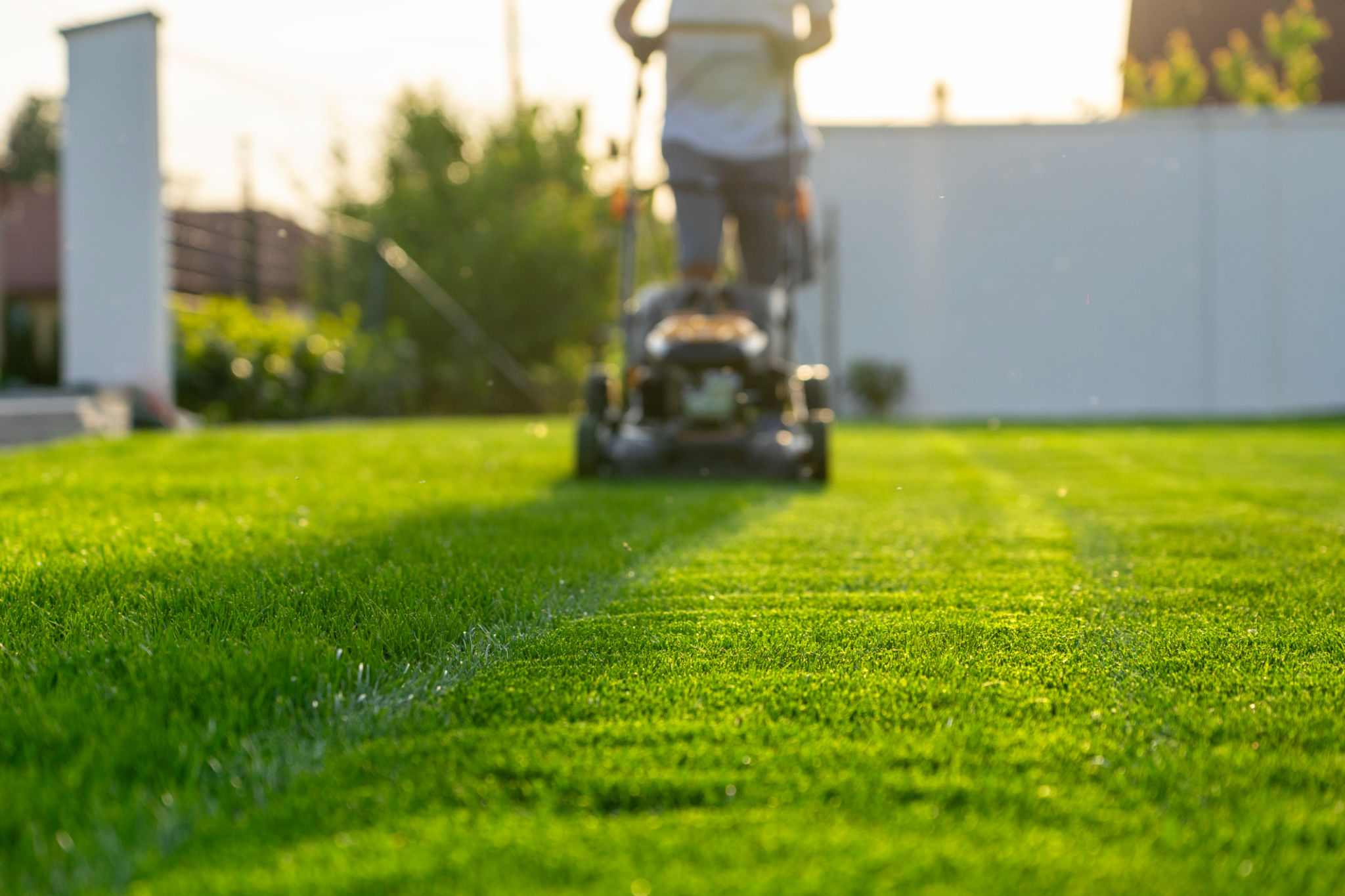
Keeping your grass at the recommended height for your specific grass type promotes healthier growth and a lush appearance.
The Truth About Fertilizers
Myth 3: More Fertilizer Equals a Greener Lawn
Fertilizer is crucial for a healthy lawn, but more is not always better. Over-fertilizing can lead to nutrient burn, damaging the grass and harming the soil. It's important to follow the recommended guidelines for your specific lawn type.
Consider using a slow-release fertilizer and applying it during the optimal growing seasons: spring and fall. This ensures your lawn gets the nutrients it needs without the risk of over-application.

Myth 4: All Weeds Are Bad
While most weeds are undesirable, some can benefit your lawn by improving soil health and attracting pollinators. Identifying and managing weeds selectively can be more beneficial than eliminating them completely.
Using herbicides sparingly and only as needed can prevent unnecessary harm to the environment and maintain a balanced lawn ecosystem.
Conclusion: Making Informed Lawn Care Choices
By debunking these myths, Ankeny homeowners can make informed decisions about lawn care. Understanding the true needs of your lawn will save time, money, and effort while ensuring a lush, healthy landscape. Remember, each lawn is unique, so adapt these guidelines to fit your specific circumstances for the best results.